Gallbladder stones affect many people, but keyhole surgery offers a safe, effective gallstone treatment at Gem Hospital and Research Centre in Thrissur. Learn when this gallbladder surgery is essential and how to recover smoothly.
When Do Gallstones Become Dangerous?
Gallstones form hardened bile deposits in the gallbladder, often staying harmless for years. They can become symptomatic and sometimes dangerous when they block bile ducts, causing intense pain in the upper right abdomen that may radiate to the back or shoulder. Seek immediate care at Gem Hospital and Research Centre if pain lasts over a few hours, worsens after fatty meals, or includes fever, chills, or jaundice- signs of infection or blockage.
These symptoms signal biliary colic or acute cholecystitis, where pressure builds and inflammation sets in. Delaying the surgery can make the problem bigger and may need a bigger procedure as a treatment.
Complications of Untreated Gallstones
Ignoring symptomatic gallstones with Pain invites bigger issues related to gallbladder , leading to severe infections. Stones can migrate to the common bile duct, causing cholangitis with high fever and sepsis. Sometimes it can lead to pancreatitis also.
Recurrent inflammation and infection of the gallbladder will be making the person take frequent medications sometimes hospital visits for relief of the pain will be required. Pain usually occurs with fatty or oily food, making the person to restrict the food. At Gem Hospital and Research Centre, early diagnosis via ultrasound prevents these escalations, ensuring safer gallstone treatment outcomes.
What Is Laparoscopic (Keyhole) Gallbladder Surgery?
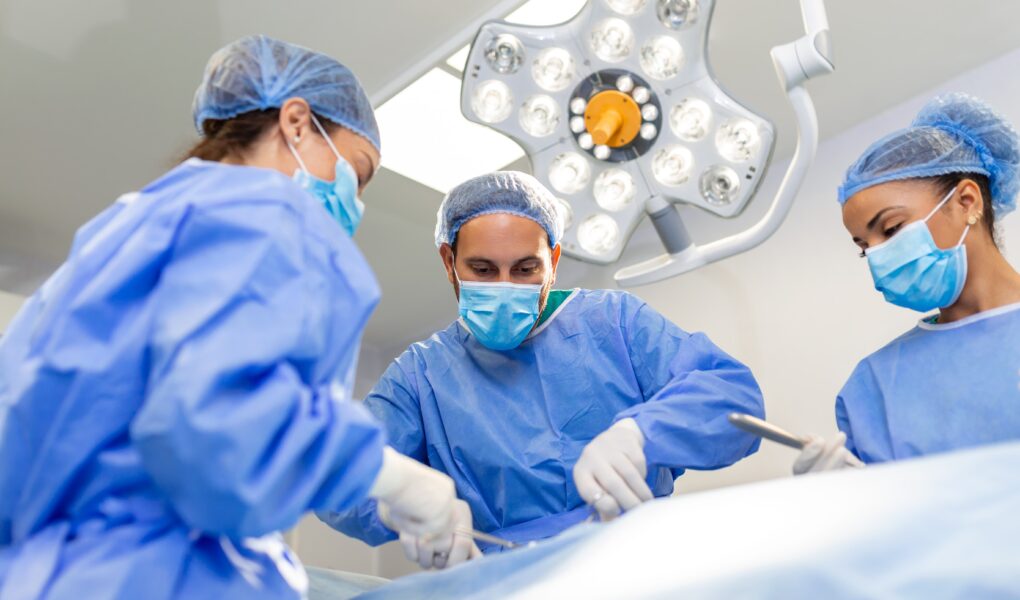
Laparoscopic cholecystectomy uses tiny incisions and a camera for precise gallbladder removal, minimizing trauma compared to open surgery. Surgeons at Gem Hospital and Research Centre insert operative instruments through 3-4 keyholes for doing the laparoscopic surgery.
The procedure lasts 30 minutes to 2 hours under general anesthesia, with bile duct checks to clear any stones. Patients often go home the next day, resuming light activities in days. The gallbladder surgery is with success rates, low infection risks, and quicker recovery- ideal for those who like to get back to their work as early as possible.
Diet and Lifestyle Changes After Gallbladder Removal
Post-surgery, start with clear liquids.After laparoscopic gallbladder removal, usually recovery is very fast. Gradually, the person switches over to a soft diet and finally to a normal diet. There is no restriction in food after Gall bladder surgery for Gall stones.. Gem Hospital and Research Centre nutritionists guide patients during the recovery phase.
Stay hydrated with 8-10 glasses of water daily and walk lightly to aid bowel function. Most resume normal diets in 2-3weeks, focusing on balanced nutrition for optimal health.
Important points
Gall bladder stones with no symptoms(no pain) usually requires observation only However , in certain situations, surgical treatment may be required
If symptomatic early surgery is preferred
Removal of the stones only is not an accepted treatment
Gall bladder with stones needs to be removed
Laparoscopic surgery is the method for the removal of the gallbladder
There is no need to switch over to a special diet after the surgery. Normal diet can be received very shortly after the surgery.