Digestive health is an essential part of overall well-being, yet many people tend to ignore symptoms related to the colon and rectum until they become severe. Unfortunately, this delay can lead to the late diagnosis of serious conditions, including colon cancer, one of the most common cancers affecting both men and women worldwide.
The good news is that colon cancer is among the most preventable and treatable forms of cancer when detected early. One of the most effective tools for early detection is a colonoscopy, a procedure that allows doctors to examine the inner lining of the large intestine and identify abnormalities before they become life-threatening.
A colonoscopy is not only used to detect cancer but also to identify precancerous growths, investigate digestive symptoms, and support long-term digestive health. With advancements in medical technology and minimally invasive procedures, screening has become safer, more accurate, and highly effective in reducing the risk of advanced colorectal disease. Understanding the importance of colonoscopy, recognizing warning signs, and knowing when to undergo screening can help individuals take proactive steps toward protecting their health.
What is a Colonoscopy and Why is it Done?
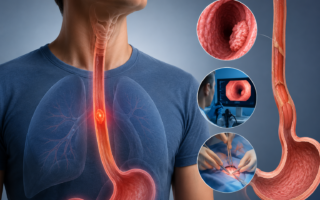
A colonoscopy is a diagnostic procedure that allows a gastroenterologist or colorectal specialist to examine the inside of the colon (large intestine) and rectum using a flexible tube equipped with a tiny camera and light source. The procedure provides real-time images of the colon, enabling doctors to identify abnormalities such as polyps, inflammation, ulcers, bleeding, narrowed sections of the bowel, precancerous lesions, and colon cancer.
Why Is a Colonoscopy Performed?
A colonoscopy may be recommended for several reasons, including:
- Routine Screening – Screening helps identify colon abnormalities before symptoms develop.
- Investigation of Symptoms – Doctors may recommend a colonoscopy to evaluate symptoms like persistent abdominal pain, rectal bleeding, changes in bowel habits, chronic diarrhea, unexplained weight loss, or iron deficiency anemia.
- Monitoring Existing Conditions – Patients with inflammatory bowel diseases such as ulcerative colitis or Crohn’s disease often require periodic colonoscopy evaluations.
- Detection and Removal of Polyps – Polyps can often be removed during the procedure itself, reducing the risk of future cancer development.
Because colon cancer often develops slowly over many years, colonoscopy remains one of the most powerful tools available for prevention and early diagnosis.
Early Warning Signs of Colon Cancer You Shouldn’t Ignore
One of the challenges associated with colon cancer is that it may not cause noticeable symptoms during its early stages. However, as the disease progresses, certain warning signs may appear.
- Persistent Changes in Bowel Habits – Changes that last for several weeks should never be ignored. These may include diarrhea, constipation, narrow stools, or a feeling that the bowel does not empty completely.
- Blood in the Stool – Blood may appear bright red, dark red, or black and tarry. Any unexplained rectal bleeding requires prompt medical evaluation.
- Abdominal Discomfort – Symptoms may include cramping, gas, bloating, or persistent abdominal pain.
- Unexplained Weight Loss – Losing weight without dietary changes or increased physical activity can be a sign of an underlying condition, including colon cancer.
- Fatigue and Weakness – Chronic blood loss from a colon tumor may result in anemia, causing fatigue, dizziness, or shortness of breath.
- Feeling of Incomplete Evacuation – Some individuals experience a persistent sensation that the bowel remains partially full despite having a bowel movement.
Although these symptoms do not always indicate cancer, they should never be ignored. Early evaluation significantly improves colon cancer treatment outcomes.
Who Should Get a Colonoscopy Screening and When?
Screening recommendations have evolved as healthcare providers recognize the increasing incidence of colorectal cancer in younger adults. As a broad characterisation, the following individuals should get a colonoscopy screening done:
- Average-Risk Individuals – Most experts recommend that adults begin routine colonoscopy screening around age 45. For individuals with no symptoms and no significant risk factors, screening intervals may vary depending on findings.
- Individuals with Family History – Those with a family history of colon cancer, colorectal polyps, and certain hereditary cancer syndromes may require earlier and more frequent screening.
- Patients with Inflammatory Bowel Disease – Long-standing ulcerative colitis and Crohn’s disease increase the risk of colon cancer and often require specialized surveillance programs.
- Individuals with Previous Polyps – Patients who have had colon polyps removed may need follow-up colonoscopies at regular intervals.
- People with Concerning Symptoms – Regardless of age, individuals experiencing symptoms such as rectal bleeding, unexplained weight loss, or significant bowel changes should seek immediate medical attention.
A personalized screening schedule developed by a specialist helps ensure early detection and prevention.
How Colonoscopy Helps Detect Polyps and Colon Cancer Early
Polyps are abnormal tissue growths that form on the inner lining of the colon. While many polyps are benign, some can gradually develop into cancer over time. The greatest strength of colonoscopy lies in its ability to identify and remove precancerous growths before cancer develops.
Detection During Colonoscopy
The high-definition camera used during colonoscopy allows doctors to carefully examine the entire colon and identify even small abnormalities.
Polyp Removal
If polyps are found, they can often be removed during the procedure. This process is called polypectomy. Removing polyps before they become cancerous is one of the most effective strategies for preventing colorectal cancer.
Tissue Biopsy
Suspicious areas can be sampled during the procedure and sent for laboratory analysis. Biopsies help determine presence of cancer, degree of abnormality, and need for further treatment.
Early Cancer Detection
When colon cancer is detected early, treatment options are often less invasive, cure rates are significantly higher, and survival outcomes improve dramatically. In many cases, early-stage cancers can be treated successfully before they spread to other organs.
What to Expect Before, During, and After a Colonoscopy
Many people feel anxious about undergoing a colonoscopy because they are unfamiliar with the process. Understanding what happens before, during, and after the procedure can help ease concerns.
Before the Procedure
- The doctor reviews the patient’s medical history, current medications, allergies, and previous gastrointestinal conditions.
- Proper bowel preparation is essential for accurate examination. Patients are typically instructed to follow a clear liquid diet, avoid certain foods, and take prescribed bowel-cleansing solutions.
A clean colon allows for better visibility and more accurate detection of abnormalities.
During the Procedure
The colonoscopy is usually performed under sedation to maximize comfort. During the procedure:
- A flexible colonoscope is inserted through the rectum
- The colon is examined carefully
- Polyps can be removed if necessary
- Biopsies may be obtained
The procedure generally takes between 20 and 60 minutes, depending on findings. Most patients experience little to no discomfort.
After the Procedure
Following recovery from sedation patients are monitored briefly, checked for any mild bloating that may occur, and most individuals return home the same day. Results are often discussed shortly after the procedure, while biopsy findings may take a few days. Patients are usually able to resume normal activities within a short period.
Benefits of Regular Colonoscopy Screening for Long-Term Digestive Health
A colonoscopy is an important healthcare tool for prevention as well as during colon cancer treatment.
- Prevention of Colon Cancer – Removing polyps before they become cancerous dramatically reduces cancer risk.
- Early Detection Can Save Lives – Cancers identified at an early stage are often easier to treat and associated with better outcomes.
- Identification of Other Digestive Conditions – Colonoscopy can help diagnose ulcerative colitis, Crohn’s disease, diverticular disease, chronic inflammation, and gastrointestinal bleeding.
- Reduced Need for Extensive Treatment – Detecting abnormalities early may prevent the need for more aggressive interventions later.
- Improved Peace of Mind – For many patients, a normal colonoscopy provides reassurance and confidence regarding their digestive health.
- Better Long-Term Health Outcomes – Regular screening contributes to lower cancer-related mortality, earlier intervention, and improved quality of life.
As healthcare increasingly focuses on prevention, colonoscopy remains one of the most valuable tools in modern digestive care.
Advanced Colonoscopy and Colon Cancer Care at GEM Hospital And Research Centre
When it comes to digestive health, early diagnosis and expert intervention can make a life-changing difference. At GEM Hospital and Research Centre Thrissur, patients have access to comprehensive gastrointestinal and colorectal care supported by advanced technology, experienced specialists, and a patient-focused approach.
Recognized for its expertise in gastroenterology, gastrointestinal surgery, and minimally invasive procedures, GEM Hospital and Research Centre offers advanced colonoscopy services for both routine screening and the diagnosis of complex digestive conditions. The hospital’s specialists are committed to identifying abnormalities at the earliest possible stage, helping patients receive timely and effective treatment.
For individuals diagnosed with colon cancer, GEM Hospital and Research Centre provides integrated care that includes advanced diagnostic evaluation, minimally invasive colon surgery, and personalized colon cancer treatment plans tailored to each patient’s needs. The multidisciplinary team works closely to ensure accurate diagnosis, effective treatment, and comprehensive follow-up care throughout the recovery journey.
Beyond treatment, the hospital places strong emphasis on preventive healthcare and early screening, empowering patients to take proactive steps toward better digestive health. By combining clinical expertise, innovative technology, and compassionate care, GEM Hospital and Research Centre continues to support patients in achieving improved outcomes, faster recovery, and enhanced quality of life. Whether seeking preventive screening or specialized colorectal treatment, patients can trust GEM Hospital and Research Centre for comprehensive digestive healthcare delivered with excellence and compassion.