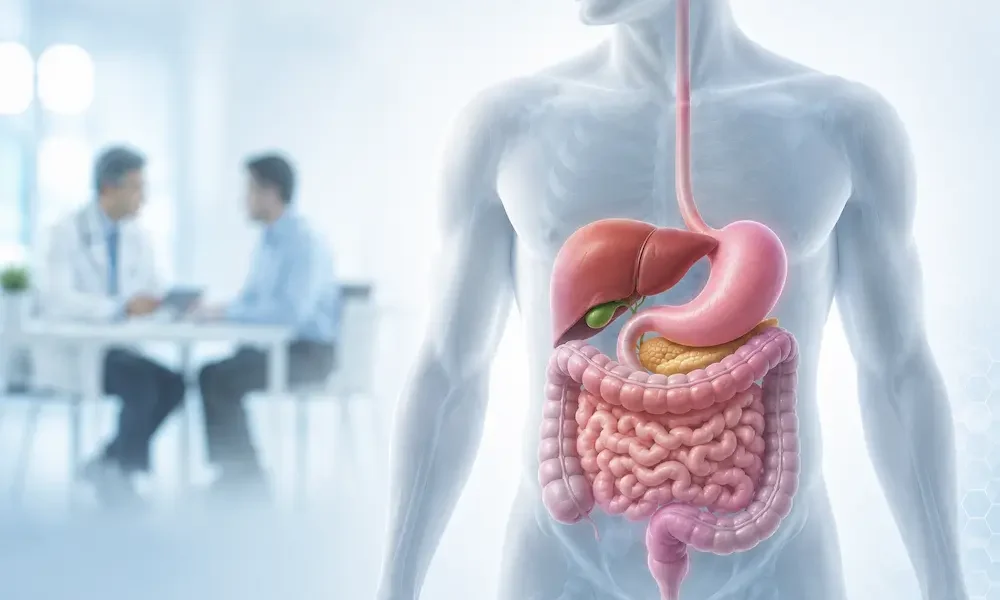
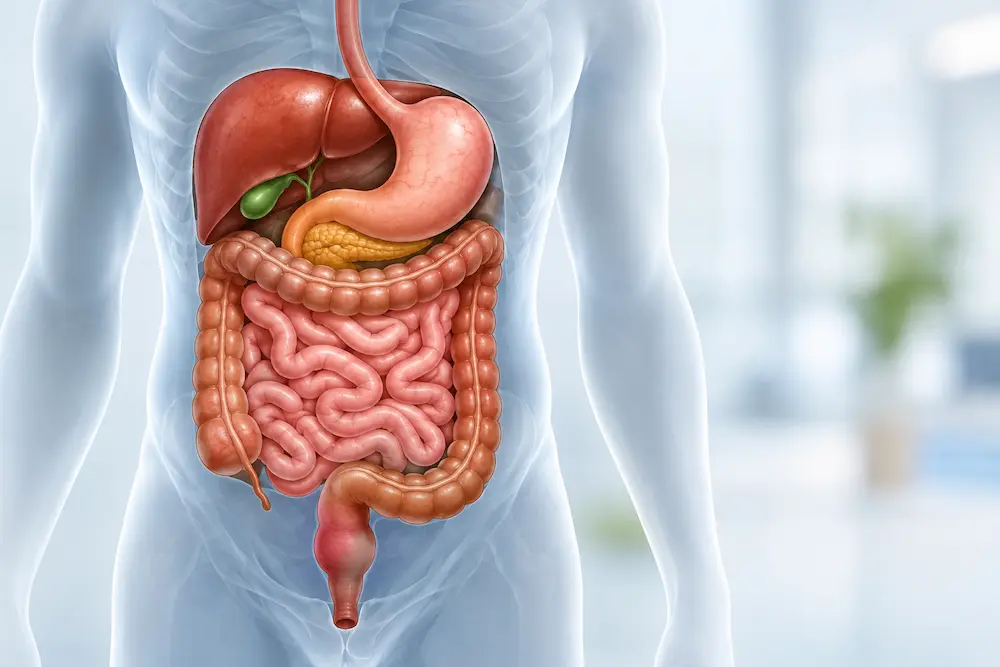
Digestive health is closely connected to overall well-being. Occasional indigestion, abdominal discomfort, changes in bowel habits, or loss of appetite may not always indicate a serious problem. However, when such symptoms persist, recur frequently, or appear alongside unexplained weight loss, bleeding, difficulty swallowing, or persistent pain, they should not be dismissed.
Digestive cancer refers to cancers affecting organs of the digestive system, including the oesophagus, stomach, liver, gallbladder, pancreas, small intestine, colon, rectum, and anus. These cancers can develop gradually, and some may produce few noticeable symptoms during their early stages. This makes awareness of potential warning signs particularly important.
Not every digestive symptom means cancer. Many common gastrointestinal conditions can cause similar complaints. However, recognizing persistent or unusual changes and seeking appropriate medical evaluation can help identify the underlying cause at an earlier stage. Early diagnosis can make a meaningful difference in treatment planning. Depending on the type and stage of cancer, treatment may involve surgery, chemotherapy, radiation therapy, targeted therapy, immunotherapy, or a combination of approaches. When cancer is detected before it has spread extensively, surgery may offer a potentially curative treatment for several digestive cancers. Understanding the warning signs, knowing your risk factors, and seeking timely medical attention are important parts of comprehensive cancer care.
The Most Common Early Warning Signs of Digestive Cancer

Digestive cancers can present differently depending on the organ affected. Some symptoms may initially appear mild or resemble common digestive problems. What matters most is a persistent, unexplained, or progressive change from your usual health.
1. Unexplained Weight Loss
Losing weight without deliberately changing your diet or exercise routine can be an important warning sign. Cancer can affect appetite, metabolism, digestion, and the body’s ability to use nutrients. A person may gradually lose weight without initially realizing that anything is wrong.
Unexplained weight loss does not automatically mean cancer. It can also occur because of thyroid disorders, infections, digestive diseases, stress, or other medical conditions. Nevertheless, significant or continuing unexplained weight loss should be evaluated by a doctor.
2. Persistent Abdominal Pain or Discomfort
Occasional stomach discomfort is common. Persistent abdominal pain, however, deserves attention, particularly when it is new, progressively worsening, or associated with other symptoms. Depending on the affected organ, pain may occur in different areas of the abdomen. It may also radiate toward the back in some pancreatic conditions.
Persistent abdominal discomfort may result from ulcers, gallstones, pancreatitis, inflammatory bowel disease, or other conditions, but a medical evaluation is important when symptoms do not resolve.
3. Changes in Bowel Habits
A noticeable change in bowel habits that persists for several weeks should not be ignored. Possible changes include:
- Persistent constipation
- Recurrent diarrhoea
- Alternating constipation and diarrhoea
- Increased frequency of bowel movements
- Changes in stool consistency
- A persistent feeling that the bowel has not completely emptied
These symptoms can have many causes, including dietary changes, infections, irritable bowel syndrome, medications, and inflammatory bowel disease. However, persistent changes can also occur with colorectal cancer and should be assessed when they are unexplained.
4. Blood in the Stool
Blood in the stool can originate from conditions such as haemorrhoids or anal fissures, but it may also be associated with colorectal cancer. When blood appears bright red in colour more chances to be Plies or Fissure. But when mixed with the stool, or as dark or black, tar-like stools the blleding is likey to be from proximal part of intestine and cancer is one of the cause. Mucus in the stool points out the possibility of Gastrointestinal disorder and Cancer is one of the causes. The appearance of blood may not reliably identify its cause. Any unexplained gastrointestinal bleeding warrants medical attention.
5. Persistent Heartburn or Acid Reflux
Occasional heartburn is common, but frequent or persistent reflux should be evaluated, especially when symptoms change or become more severe. Long-standing gastroesophageal reflux disease can cause changes in the oesophageal lining and may increase the risk of certain complications. Symptoms such as persistent heartburn, difficulty swallowing, chest discomfort associated with swallowing, or unexplained weight loss should be discussed with a healthcare professional.
6. Difficulty Swallowing
Difficulty swallowing, medically known as dysphagia, can occur with disorders affecting the oesophagus. A person may feel that food is getting stuck in the throat or chest, or may gradually find it difficult to swallow solid foods and later liquids. Dysphagia can result from reflux-related narrowing, motility disorders, inflammation, or other conditions. Since it can also be a symptom of oesophageal cancer, persistent swallowing difficulties require timely evaluation.
7. Persistent Indigestion or Bloating
Indigestion, early fullness, excessive bloating, or discomfort after eating may be caused by several common gastrointestinal conditions. However, persistent symptoms that do not improve with usual measures, particularly when accompanied by weight loss, vomiting, anaemia, or reduced appetite, should be investigated.
8. Loss of Appetite or Feeling Full Quickly
A persistent reduction in appetite or feeling full after eating only a small amount can occur with several digestive disorders. When these symptoms continue without an obvious explanation, they should be evaluated, particularly if they are accompanied by weight loss or abdominal discomfort.
9. Nausea and Persistent Vomiting
Occasional nausea or vomiting may result from infections, food poisoning, medication, or other temporary problems. Persistent vomiting, especially when accompanied by abdominal pain, difficulty eating, weight loss, blood, or dehydration, requires medical assessment.
10. Jaundice
Jaundice causes yellowing of the skin or whites of the eyes. It occurs when bilirubin accumulates in the body. Jaundice may be caused by gallstones, liver disease, hepatitis, or other conditions. It can also occur when a tumour obstructs the bile ducts or affects the liver or pancreas. Jaundice should always be medically evaluated, particularly when it develops suddenly or is accompanied by dark urine, pale stools, abdominal pain, or unexplained weight loss.
11. Persistent Fatigue and Weakness
Unexplained fatigue may sometimes be associated with chronic blood loss or anaemia caused by a digestive cancer. Fatigue can have many causes, including nutritional deficiencies, sleep problems, infections, thyroid disorders, and other chronic illnesses. Persistent fatigue should therefore be assessed in context rather than attributed to cancer automatically.
Symptoms That Vary by Type of Digestive Cancer
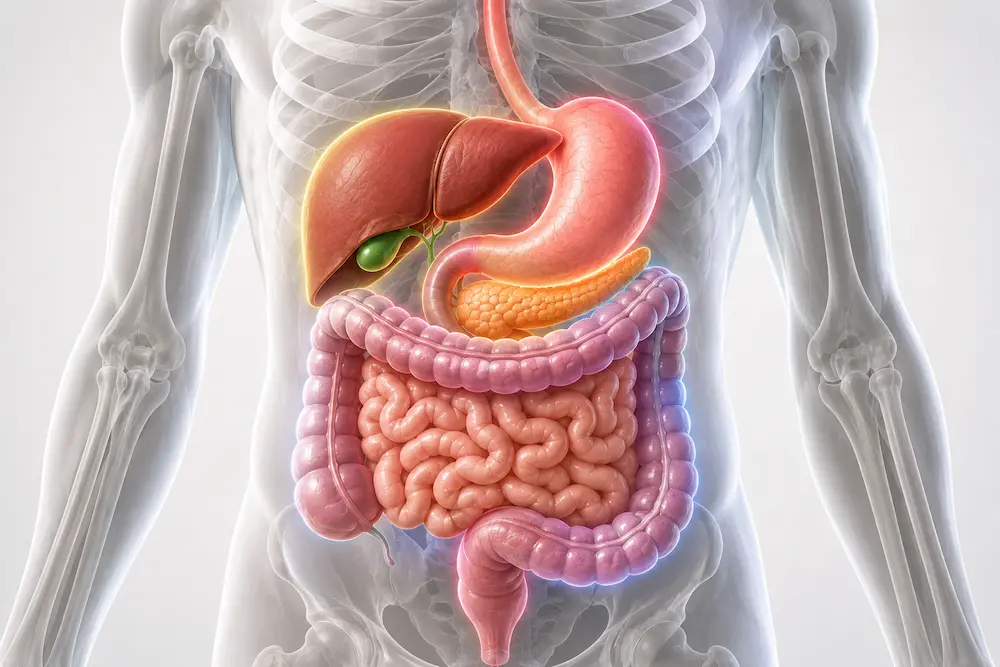
The digestive system includes several organs, and cancer affecting each organ can produce different symptoms.
Oesophageal Cancer
Potential warning signs of the cancer include difficulty swallowing, pain while swallowing, persistent heartburn, chest discomfort, unexplained weight loss, and persistent cough or hoarseness in some cases. Progressive difficulty swallowing should receive prompt medical attention.
Stomach Cancer
Possible symptoms of stomach cancer include persistent indigestion, upper abdominal discomfort, loss of appetite, feeling full quickly, nausea, vomiting, unexplained weight loss, anaemia, and blood in the stool or dark stools. Early stomach cancer may produce few specific symptoms, making medical evaluation particularly important when persistent digestive complaints develop.
Colorectal Cancer
Colorectal cancer can cause changes in bowel habits, blood in the stool, persistent abdominal discomfort, unexplained weight loss, anaemia, a feeling of incomplete bowel emptying, and persistent fatigue. Screening is particularly important because colorectal cancer can develop from precancerous polyps that may be detected and removed before they become cancerous.
Liver Cancer
Liver cancer may present with unexplained weight loss, reduced appetite, upper abdominal discomfort, jaundice, abdominal swelling, and persistent fatigue. People with chronic liver disease may require regular medical surveillance according to their individual risk.
Pancreatic Cancer
Pancreatic cancer can sometimes remain difficult to detect in its early stages. Potential symptoms may include persistent upper abdominal pain, back pain, unexplained weight loss, loss of appetite, jaundice, changes in blood sugar, and digestive problems. As some symptoms are nonspecific, persistent or unexplained changes warrant professional assessment.
Gallbladder and Bile Duct Cancers
These cancers may cause jaundice, abdominal pain, nausea, loss of appetite, unexplained weight loss, itching, dark urine, or pale stools. Jaundice is particularly important because obstruction of bile flow can sometimes be associated with disease affecting the gallbladder or bile ducts.
Small Intestinal Cancer
Although relatively uncommon, cancers of the small intestine can cause abdominal pain, nausea or vomiting, unexplained weight loss, changes in bowel habits, gastrointestinal bleeding, and persistent bloating. Since these symptoms overlap with many other digestive conditions, specialist evaluation may be required.
When Should You Seek Medical Attention?
Not every episode of stomach pain or indigestion requires extensive testing. However, symptoms that persist, worsen, recur frequently, or occur together should not be ignored. You should consider consulting a doctor if you experience unexplained weight loss, blood in your stool, persistent abdominal pain, difficulty swallowing, persistent vomiting, new and persistent changes in bowel habits, unexplained anaemia, jaundice, persistent loss of appetite, ongoing indigestion, and a significant change in symptoms associated with an existing digestive condition.
Do Not Wait for Symptoms to Become Severe
One of the challenges with digestive cancers is that early symptoms can sometimes be subtle. Waiting until symptoms become severe may delay diagnosis. Medical evaluation does not necessarily mean that cancer will be diagnosed. In many cases, persistent symptoms are caused by non-cancerous conditions that can be treated effectively. The purpose of evaluation is to identify the actual cause and ensure that serious conditions are not overlooked.
What Tests May Be Recommended?
Depending on your symptoms and medical history, your doctor may recommend blood tests, stool tests, ultrasound, CT scan, MRI, upper gastrointestinal endoscopy, colonoscopy, biopsy, liver function tests, or other specialized investigations. The appropriate test depends on the suspected condition and location of the symptoms.
Who Is Most at Risk for Digestive Cancer?
Digestive cancer can affect anyone, but certain factors may increase risk.
- Increasing Age – The risk of several digestive cancers increases with age. This is one reason why age-appropriate screening is important.
- Family History – Having close relatives with certain cancers or inherited cancer syndromes can increase risk. People with a significant family history should discuss appropriate screening and genetic evaluation with their doctor.
- Tobacco Use – Smoking and other forms of tobacco exposure are associated with increased risk for several cancers, including certain digestive cancers. Stopping tobacco use is an important step toward reducing cancer risk.
- Alcohol Consumption – Excessive alcohol consumption can increase the risk of several cancers and may also contribute to chronic liver disease. Limiting alcohol intake is an important component of preventive health.
- Obesity and Metabolic Health – Excess body weight and metabolic disorders are associated with increased risk for certain digestive cancers. Maintaining a healthy weight through balanced nutrition and regular physical activity can contribute to overall cancer prevention.
- Chronic Inflammatory Conditions – Long-standing inflammatory diseases affecting the digestive tract can increase the risk of certain cancers. Patients with chronic gastrointestinal conditions may require individualized surveillance based on their diagnosis and risk profile.
- Certain Infections – Some infections, including certain strains of Helicobacter pylori, are associated with increased risk of stomach cancer. Appropriate diagnosis and treatment of relevant infections can therefore form part of preventive digestive health.
- Dietary Factors – A diet consistently high in processed meats and certain highly processed foods, combined with inadequate intake of fibre-rich foods, may contribute to colorectal cancer risk. A balanced diet containing vegetables, fruits, whole grains, legumes, and other nutrient-rich foods supports overall digestive health.
How Early Diagnosis Can Improve Treatment Outcomes

Early diagnosis is one of the most important factors in successful cancer treatment. When digestive cancer is identified at an early stage, the disease may be confined to the organ where it began. Depending on the type and stage, this can make curative treatment more achievable.
More Treatment Options
Early-stage disease may allow doctors to consider a wider range of treatment options. Depending on the cancer, treatment may include surgery, endoscopic treatment, chemotherapy, radiation therapy, targeted therapy, immunotherapy, or a combinations of these approaches.
Greater Possibility of Complete Tumour Removal
For cancers that are localized and surgically treatable, complete removal of the tumour can be an important treatment goal. Modern surgical oncology has also advanced considerably, with minimally invasive techniques allowing selected digestive cancer operations to be performed through smaller incisions.
Better Recovery
When cancer is detected before it has progressed extensively, treatment may sometimes involve less extensive surgery or other interventions. This can contribute to improved recovery and quality of life.
Multidisciplinary Cancer Care
Modern digestive cancer management is rarely limited to a single specialist. A multidisciplinary team may include:
- Gastroenterologists
- Gastrointestinal surgeons
- Oncologists
- Radiologists
- Pathologists
- Nutrition specialists
- Specialist nurses and supportive-care professionals
Together, they review the diagnosis and develop an individualized treatment plan.
Comprehensive Digestive Cancer Treatment in Thrissur
For patients diagnosed with or concerned about digestive cancer, choosing a hospital with specialized surgical expertise, advanced diagnostic facilities, and coordinated multidisciplinary care can make an important difference. At GEM Hospital & Research Centre Thrissur, patients receive comprehensive cancer care supported by experienced specialists and modern surgical capabilities.
GEM Hospital brings together expertise in gastrointestinal surgery, hepatobiliary and pancreatic surgery, colorectal surgery, gastroenterology, oncology-related care, advanced endoscopy, imaging, and other supporting specialties with a focus on advanced and minimally invasive surgical techniques for appropriately selected patients. This integrated approach enables patients to undergo detailed evaluation and receive a treatment plan based on the type, location, and stage of their cancer rather than following a standard approach.
For patients seeking cancer treatment in Thrissur, GEM Hospital and Research Centre emphasizes more than the surgical procedure itself. From diagnosis and treatment planning to surgery, postoperative recovery, nutritional support, and follow-up, care is coordinated around the patient’s individual needs. The availability of multidisciplinary expertise can be particularly valuable for complex digestive cancers that require a combination of surgical and non-surgical treatments.