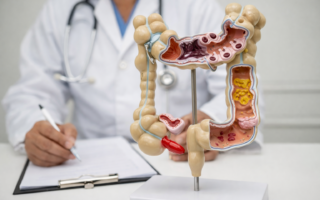
Fistula-in-ano, a chronic condition characterized by an abnormal communication between the anal canal and the perianal skin. While it is a common condition many patients delay the treatment due to apprehensions or misinformations.
Pathophysiology and Origins
The anal canal contains small glands that secrete mucus to aid in bowel movements. If one of these glands becomes blocked, bacteria can become trapped, leading to an acute infection known as an anal abscess
While an abscess is a localized collection of pus, the fistula is the chronic aftermath. In approximately 50% of cases, even after an abscess drains (either naturally or surgically), a permanent track—or tunnel—remains. This tunnel connects the internal source of the infection to an external opening on the skin. This “path of least resistance” becomes a persistent conduit for fluid, preventing the tissue from ever fully closing.
Clinical Presentation and Diagnosis
The symptoms of fistula-in-ano are rarely subtle, yet they are often mistaken for simple hemorrhoids or skin tags. Patients typically report:
- Persistent Drainage: The most defining characteristic is the leakage of pus, serous fluid, or occasionally fecal matter from an external opening.
- Cyclical Pain: Pain often builds as the track becomes blocked and the pressure increases, only to be relieved once the fistula “bursts” or drains.
- Systemic Distress: In cases of active infection, patients may experience fever, chills, and general malaise.
Diagnosis is primarily clinical, involving a physical examination by a specialist. However, for complex or recurrent cases, modern imaging like MRI or Endoanal Ultrasound is used to map the track’s relationship to the sphincter muscles, ensuring a safer surgical approach.
The Surgical Challenge: Balancing Cure and Continence
The management of fistula-in-ano is almost exclusively surgical. The primary challenge facing surgeons is a delicate trade-off: eradicating the fistula versus preserving fecal continence.
For a “simple” fistula, which involves minimal muscle, a fistulotomy is the standard. The surgeon cuts the track open, allowing it to heal from the base upward. However, if the fistula passes through a significant portion of the sphincter muscles, cutting it could lead to permanent incontinence. In these “complex” cases, surgeons employ muscle-sparing techniques:
- Seton Placement: A non-absorbable thread is looped through the track to keep it draining and prevent new abscesses.
- LIFT Procedure: The track is tied off between the muscle layers without cutting the muscle itself.
- LASER,Fistula Plugs or Glues: These forms of treatment is useful in certain situations.
The Impact on Quality of Life
Beyond the physical symptoms, the “social” burden of a fistula is significant. The constant need for dressings, the fear of odor, and the discomfort during sitting or walking can lead to social withdrawal and anxiety. Because the condition affects an intimate part of the body, patients often suffer in silence for months or even years before seeking help.
Conclusion
Fistula-in-ano is a complex surgical problem that requires a nuanced, patient-specific approach. It is not a condition that resolves with topical creams or “watchful waiting.” However, with modern diagnostic imaging and sphincter-preserving surgical techniques, the prognosis for a full recovery is excellent. Breaking the silence surrounding perianal health is essential; by treating a fistula as a structural mechanical issue rather than a source of embarrassment, patients can move toward a life free from chronic pain and discomfort.
Call for more information +91 963222500 ✉️ gemthrissur@geminstitute.in